
Turn Rhythm into a Working Tempo Map
An automatic BPM detector listens for recurring rhythmic pulses and estimates beats per minute from the uploaded audio. Unlike tap tempo, the result does not depend on how steadily you click. Use it to compare material before a set, session, rehearsal, or edit.
Analyze without tapping
Let the browser follow the audio pulse instead of counting your keyboard or mouse input.
Put tempo at the center
Read BPM first, with key and Camelot available when the next decision also involves harmony.
Compare several tracks
Place up to 5 songs, loops, demos, or edits in one table and see where their speeds converge or separate.
Check unfinished material
Analyze drafts, live takes, AI music exports, and private audio that may not exist in public tempo databases.
Keep the workflow lightweight
Get a quick tempo estimate before opening a DJ library, DAW project, metronome app, or editing timeline.
Read the feel around the number
Use energy, movement, and mood as secondary clues when two tracks share BPM but create very different impressions.
How to Detect BPM from an Audio File
Create a tempo reference without tapping through three simple steps.
Bring in your tracks
Select up to 5 browser-playable audio files or drop them into the analyzer.
Let the rhythm process
MusicAura analyzes files in sequence and updates each row when its tempo estimate is ready.
Count it in context
Compare the BPM with the pulse you naturally hear, especially when half-time or double-time interpretations are possible.
Use BPM as a Planning Tool
MusicAura's BPM detector turns tempo into something you can compare across real creative material, from a DJ folder to an unfinished score.

Chart the Pace of a DJ Set
Arrange candidate tracks by tempo range and listen for the points where the set should climb, settle, or deliberately change direction.
Map Track Tempos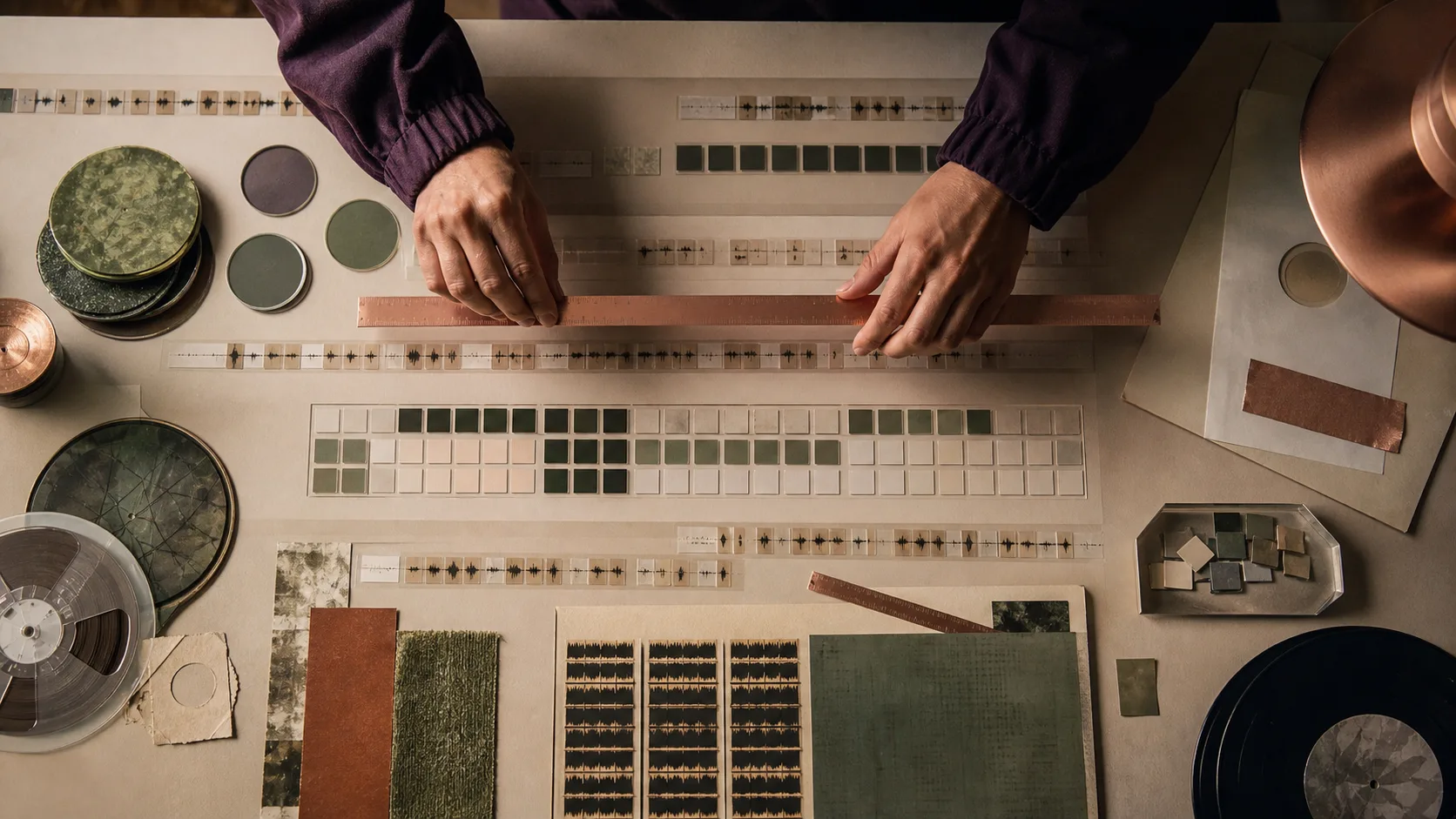
Align Loops Before the Session
Compare drums, samples, and reference tracks before opening the DAW, then begin time-stretching from a more informed estimate.
Compare Loop BPM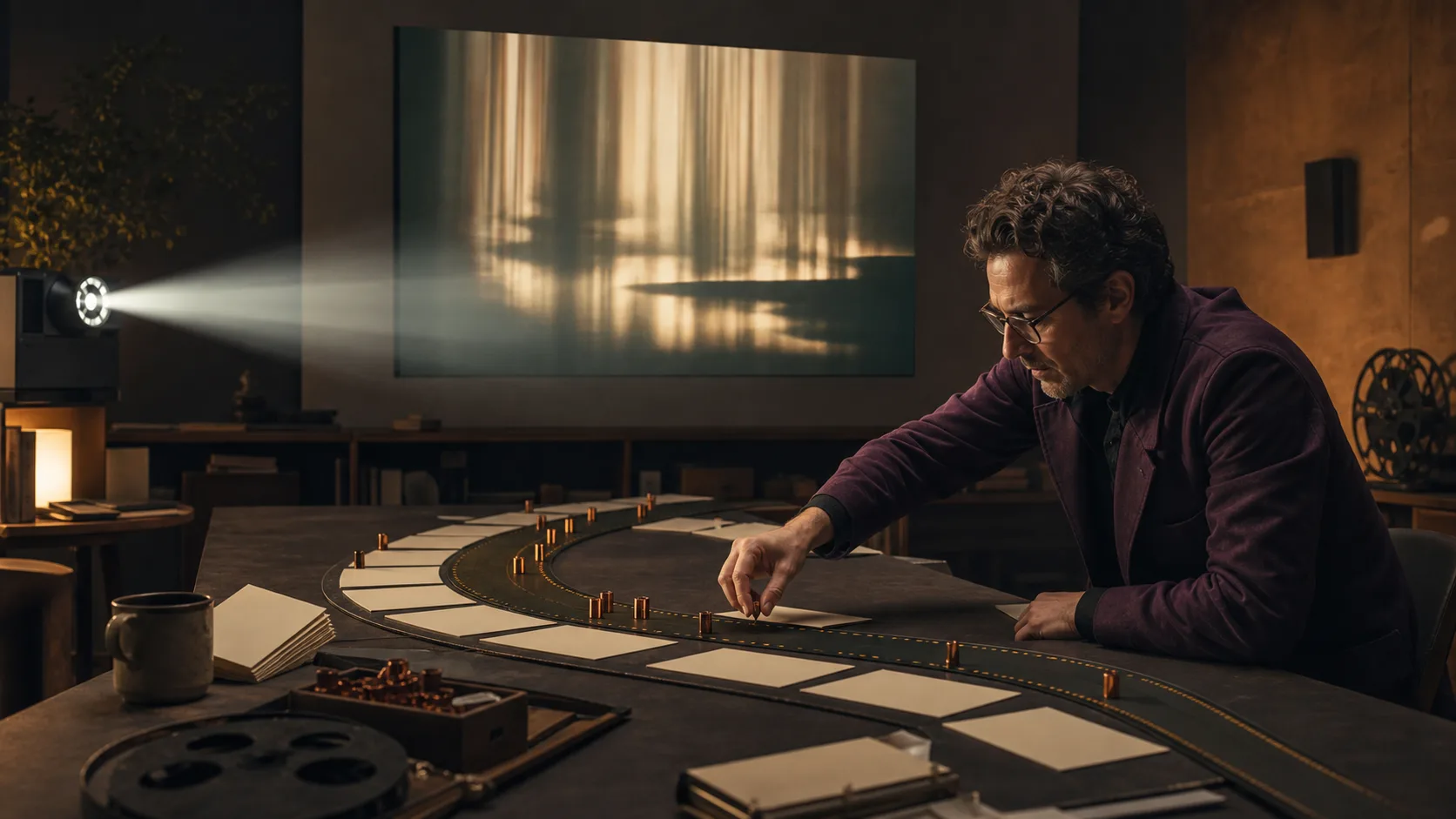
Design Cuts Around Musical Motion
Use tempo as a grid for scene changes, motion beats, and pacing notes while preserving room for syncopation and quieter moments.
Check Soundtrack BPMWho Uses MusicAura's Tempo Detector?
The tempo detector is built for people who already have audio and need a useful speed estimate before the next creative step.

DJs shaping energy
Compare track speeds while planning how a room should warm up, peak, breathe, and transition.
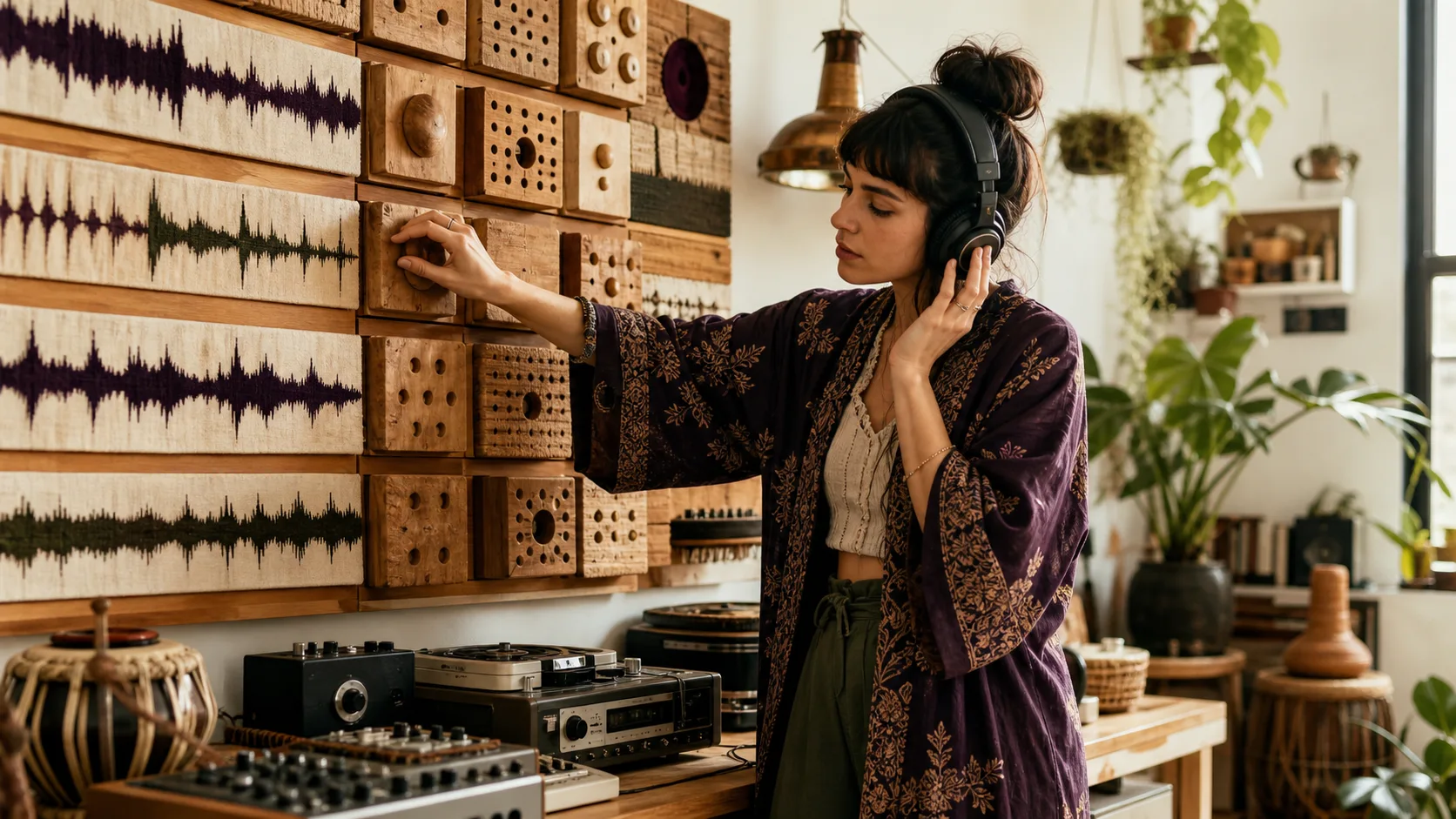
Beatmakers and producers
Find a tempo reference before matching drums, samples, acapellas, and AI-generated ideas inside a session.
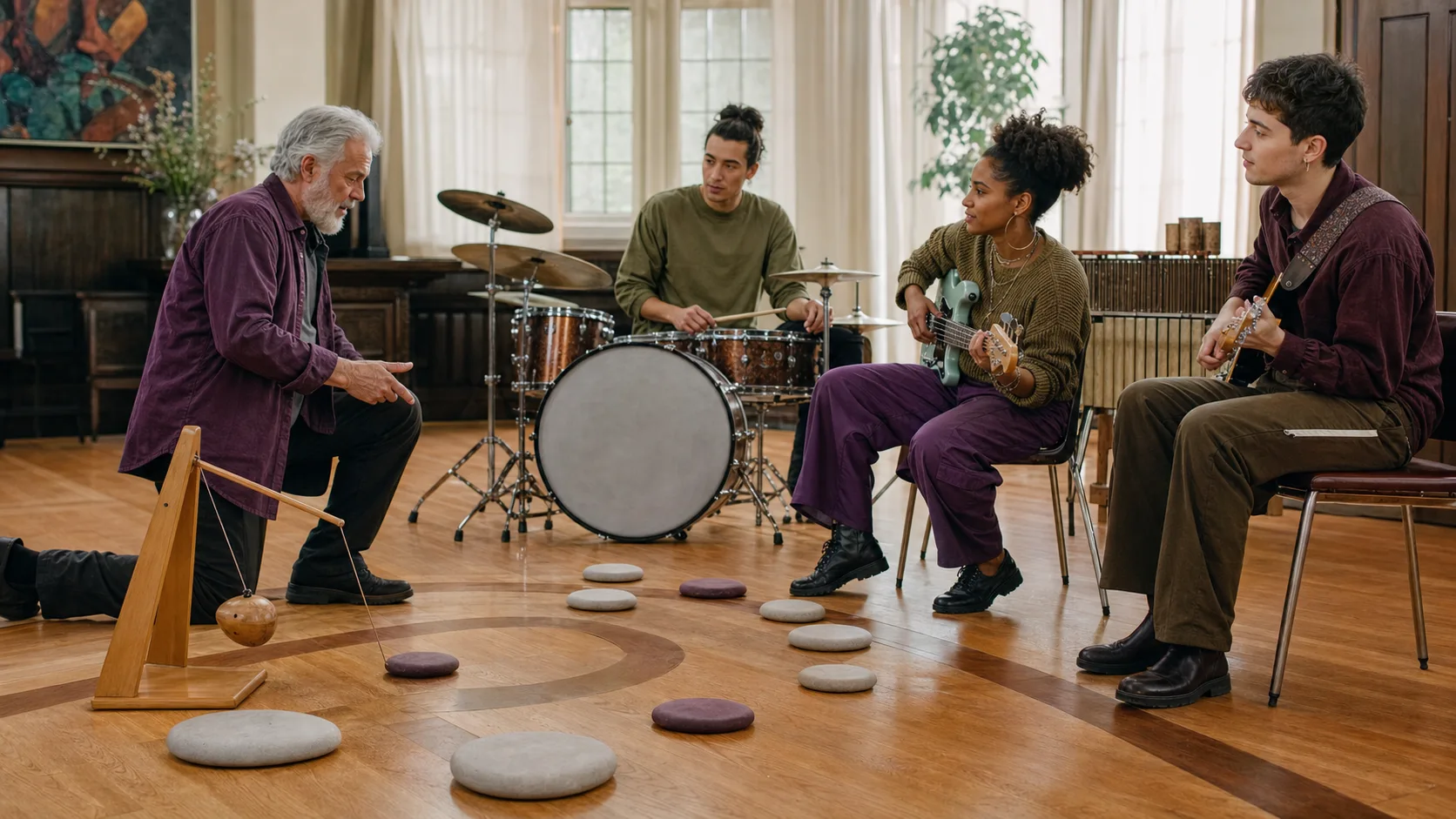
Bands and teachers
Turn recordings into practice targets for rehearsal, technique work, gradual speed changes, and lesson planning.

Editors and motion teams
Estimate soundtrack tempo before planning cuts, transitions, captions, animation cues, or social-video pacing.
Automatic BPM Detector Questions
Practical answers about tempo estimates, tapping, and rhythmic interpretation.
Upload a few audio files and build a clearer tempo map for mixing, producing, practicing, or editing.